Think of the various types of investments as tools that can help you achieve your financial goals. Each broad investment type—from bank products to stocks and bonds—has its own general set of features, risk factors and ways in which they can be used by investors. Learn more about the various types of investments below.
Think of the various types of investments as tools that can help you achieve your financial goals. Each broad investment type—from bank products to stocks and bonds—has its own general set of features, risk factors and ways in which they can be used by investors. Learn more about the various types of investments below.
A bond is a loan an investor makes to an organization in exchange for interest payments over a specified term plus repayment of principal at the bond’s maturity date. Learn how corporate, muni, agency, Treasury and other types of bonds work.
When you buy shares of a company’s stock, you own a piece of that company. Stocks come in a wide variety, and they often are described based the company’s size, type, performance during market cycles and potential for short- and long-term growth. Learn more about your choices—from penny-stocks to large caps and more.
Funds—such as mutual funds, closed-end funds and exchange-traded funds—pool money from many investors and invest it according to a specific investment strategy. Funds can offer diversification, professional management and a wide variety of investment strategies and styles. But not all funds are the same. Understand how they work, and research fund fees and expenses.
Commodity futures contracts are agreements to buy or sell a specific quantity of a commodity at a specified price on a particular date in the future. Commodities include metals, oil, grains and animal products, as well as financial instruments and currencies. With limited exceptions, trading in futures contracts must be executed on the floor of a commodity exchange.
Federal regulations permit trading in futures contracts on single stocks, also known as single stock futures, and certain security indices. Learn more about security futures, how they differ from stock options and the risksthey can pose.
LONDON STOCK EXCHANGE


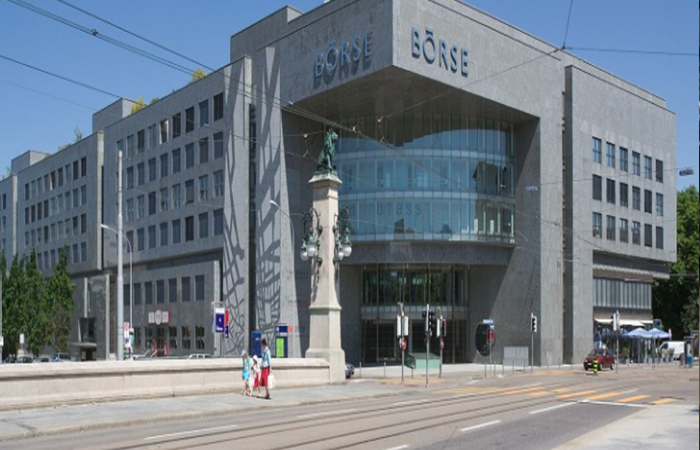
SIX SWISS EXCHANGE - ZÜRICH
Some investors may chase return, meaning they put their assets into riskier and sometimes esoteric products that promise higher yields and returns than they can obtain in more traditional investments Investment products abound that offer alternatives to conventional stock and bond investments. These products are sometimes referred to as structured products or non-conventional investments. They tend to be both more complex—and more risky—than traditional investments, and often tempt investors with special features and higher returns than offered by basic investments. Some examples of complex products include notes with principal protection and high-yield bonds that have lower credit ratings and higher risk of default, but offer more attractive rates of return. Complex products may use futures and options, as well as complicated trading strategies, to achieve investment objectives. Although these products may have attractive qualities, it is crucial to understand each investment’s distinct features, risks and rewards and have strictly professional of our consultant Team.
When investors face a difficult investing environment, like periods of low yields on fixed-income investments or volatility in the stock market, what’s an investor to do? Some investors may opt to “chase return,” meaning they put their assets into riskier and sometimes esoteric products that promise higher yields and returns than they can obtain in more traditional investments. Investors may not realize that they could be taking on more risk if they invest in products with higher returns without our support. This alert discusses different ways investors have sought to increase their return ranging from easily understood investments like high-yield bonds to complex vehicles like structured products and floating-rate loan funds. More importantly, professional consultant serves to remind investors that when they invest in products that promise higher returns they are nearly always taking on more risk.


- A Challenging Environment
- Choosing an Investment Professional
- Investment Advisers
- Financial Planners
- Lawyers
Investors have experienced a volatile stock market, two significant bear markets and historically low fixed income yields over the last decade. This combination of low interest rates, stock price volatility and multiple bear markets has sent many investors looking for higher and more consistent returns. However, before you move your assets to another investment, there are several questions you may want to ask to our Team.
A qualified investment professional can help you make sound investment decisions, assist with financial goal setting and keep you informed about how the economy and financial markets are affecting your investment portfolio. There are many types of investment professionals—including brokers, investment advisers and financial planners. The person or team of professionals you work with will depend on the type of financial help you seek
Investment advisers are individuals or companies that provide advice about securities tailored to the needs of their clients. Common names for this type of professional include asset managers, investment counselors, investment managers, portfolio managers and wealth
Financial planners offer an array of services and come from a variety of backgrounds. Some can help you develop a detailed financial plan for achieving your financial goals.
Lawyers are licensed to give legal assistance to clients. They are trained to tell you about the legal implications of financial planning and investment decisions.
HKEX- HONG KONG STOCK EXCHANGE


NYSE: THE NEW YORK STOCK EXCHANGE